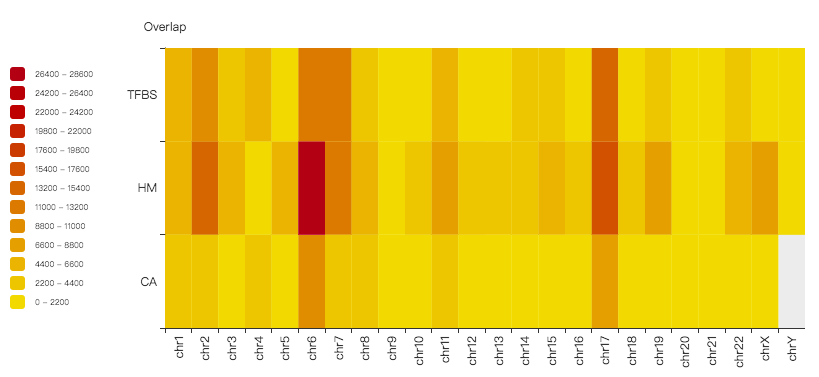
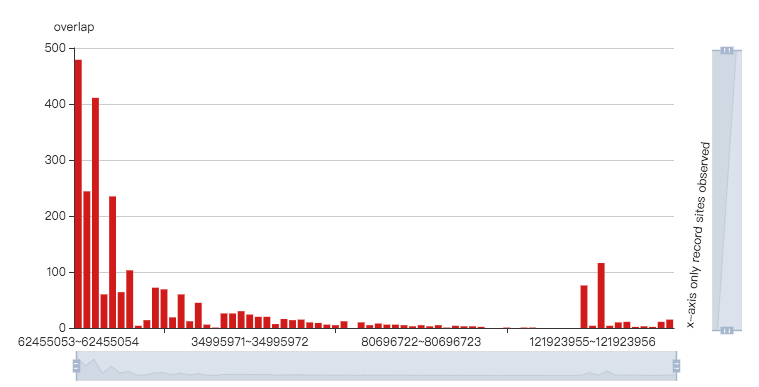
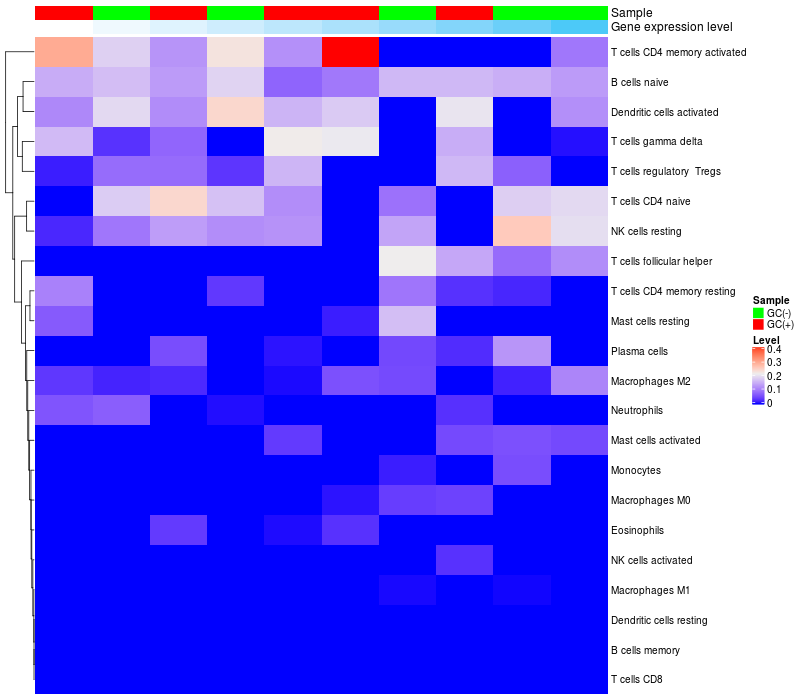
Overview of EBV Mutation, Integration-Cistrome Factor Overlap and Target gene


Epstein-Barr Virus (EBV), formally called Human gammaherpesvirus 4, is one of the nine known human herpesvirus types in the herpes family, and is one of the most common viruses in humans. The virus is about 122–180 nm in diameter and is composed of a double helix of deoxyribonucleic acid (DNA) which contains about 172,000 base pairs and 85 genes. The DNA is surrounded by a protein nucleocapsid, which is surrounded by a tegument made of protein, which in turn is surrounded by an envelope containing both lipids and surface projections of glycoproteins, which are essential to infection of the host cell.
Size: ~171823 nucleotides [RefSeq: NC_007605]
Encoding: epstein-barr virus genome mainly encodes 86 genes: BXLF2, BZLF1, BGLF4, BARF1, BALF5, RPMS1 and so on
Human Disease: Infection with EBV can lead to Nasopharyngeal carcinoma, B-cell lymphoma, etc. Click here to see all EBV associated human diseases

Click the blue font on the page to view detailed information.
The cistrome refers to "the set of cis-acting targets of a trans-acting factor on a genome-wide scale."


EBV Mutation Info
Click here to see all EBV Mutation Sites
ID PMID Mutation Gene/Protein/Region Description Detail